A Composting Area for the Municipality of Ponthévrard
How to reduce waste in a school cafeteria with a shared composting area?
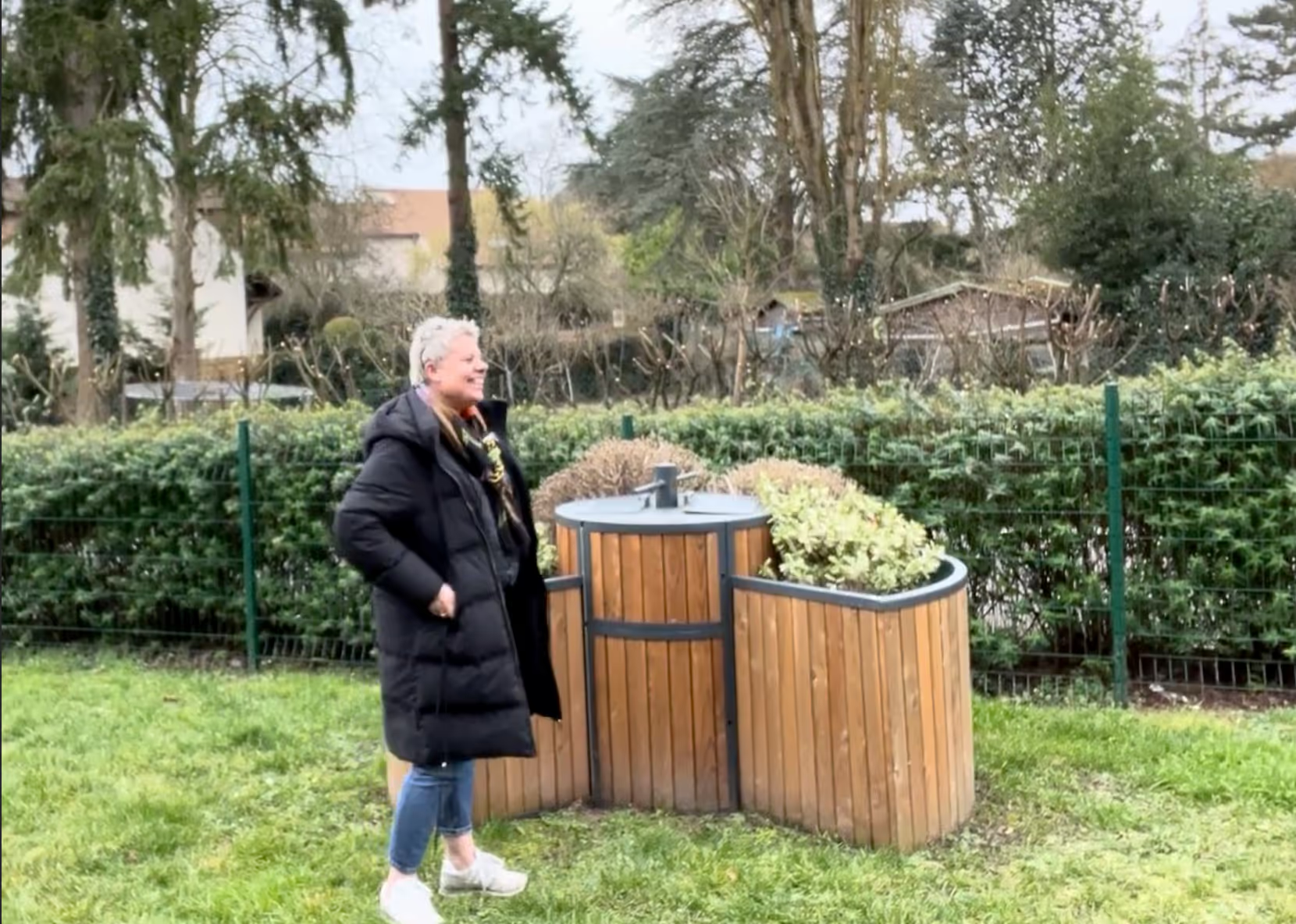
Feedback from Nathalie Bricaud of the municipality of Ponthévrard.
With the EU Waste Framework Directive, local authorities are obligated to offer their residents source-separation solutions for biowaste.
The municipality of Ponthévrard provides various composting solutions: individual composters and shared composting sites. For nearly three years, the municipality has also installed a composting garden in the schoolyard to compost food waste from the cafeteria.
Compost waste simply on-site
The composter is installed in the schoolyard, near the cafeteria. Every day, at the end of service, after-school staff deposit food scraps into the composting garden. Then, it's simply a matter of adding the dry material integrated into the composter and rotating the central column.
On-site composting of food waste helps limit CO2 emissions associated with the collection and processing of biowaste. The use of the produced compost also enriches the municipality's green spaces. It's a truly virtuous cycle, and as Nathalie Bricaud says: “this composter is very engaging and easy to use.”
Zero nuisances at the shared composting area
The mixing, proper aeration of the compost, and rodent-proof materials allow for the composting of all food scraps from the cafeteria. This includes both fresh produce (especially fruit peels) and cooked meal leftovers, without the risk of odors or rodents.
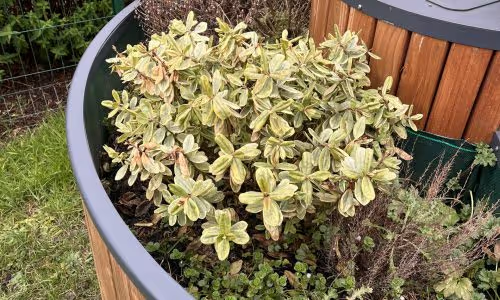
With its integrated planter, the composter even becomes a decorative feature in the schoolyard: the compost directly nourishes the cultivated soil and grows beautiful seasonal flowers!
"Generally, we hide our composters at the back of the garden; here, we can showcase it. It presents a positive image to residents."
Raise awareness about food waste
By composting the school's food waste on-site, students learn to sort and recycle. The use of the composting garden also provides an opportunity to host workshops on food waste and waste recycling.
The composter is easily handled by children, and the planter invites them to get their hands dirty!
"Thanks to the composting garden, the little ones teach the grown-ups eco-friendly practices."
Key figures: It is estimated that 1.2 tons of food waste are composted annually in this composter installed in Ponthévrard.

