Reducing the carbon footprint of the University of Lille through composting
Case study on food waste composting for universities
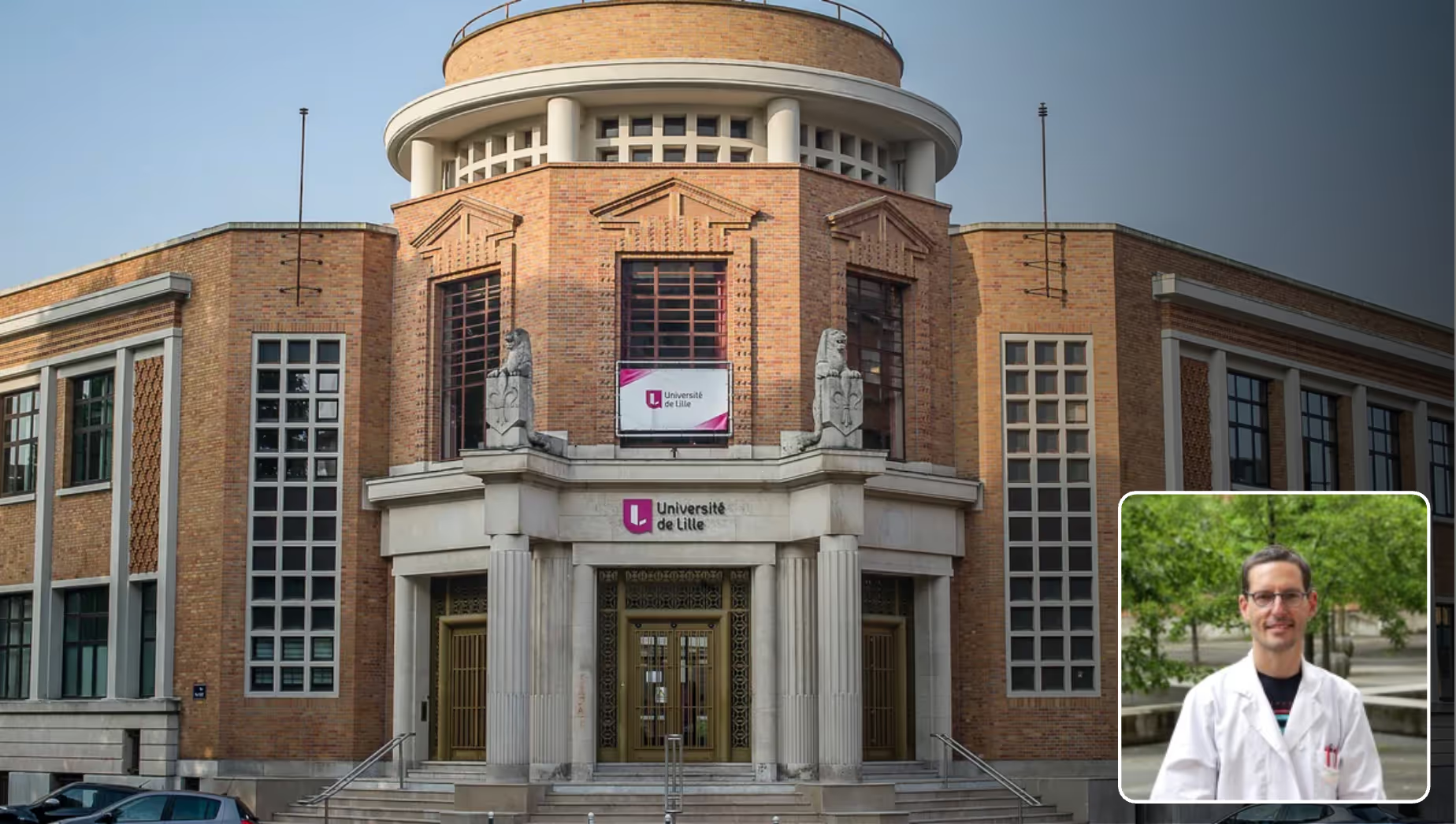
Discussion with Julien Thevenet, biological engineer in Unit 1190 "Translational Research on Diabetes" and leader of the composting project in the Department of Medicine / UFR3S Campus.
Reducing the volume of waste to be incinerated
The University of Lille is committed to an Energy Transition Plan that includes a comprehensive project to reduce its carbon footprint through, among other things, waste reduction.
Easy To Compost is supporting the UFR3S campus in a pilot project to compost food waste: students and staff throw their food scraps into compost bins located near the buildings.
With the compost bins, we are reducing the amount of "hotel" waste destined for incineration. The goal is to extend the program to the entire campus.
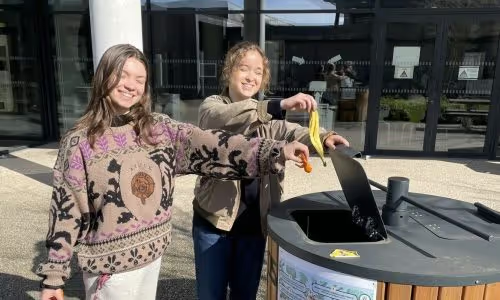
Engage students and staff quickly
At the request of students on campus, a composter was installed at the training center. After a few sorting difficulties at the outset, the communication campaign (posters, newsletter, communication via student associations) ensured that the composters were used correctly. As a reward, the compost generated will be used in the campus flower beds and even distributed!
"The use of composters is now understood, and they are easy to use. To ensure effectiveness, communication is an integral part of the compost bin purchase process."
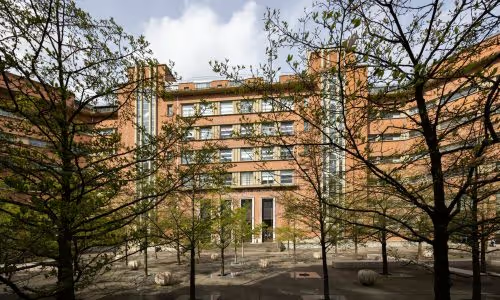
Simply compost and feed
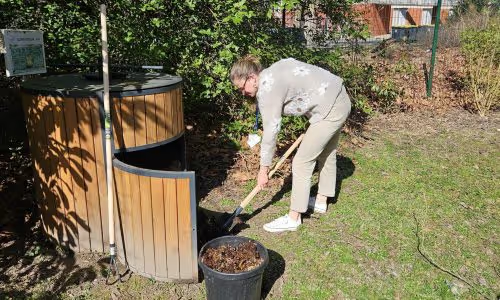
The compost produced from food waste is used to enrich the soil of the new green spaces created on campus and to feed the fruit trees. A designated staff member and student volunteers participate in this composting activity and in participatory gardening projects.
"It doesn't require any work, and seeing the life in the compost has confirmed that we made the right choice."
Key figures
With 800kg of food waste sorted and composted every year, the university's carbon footprint is reduced by more than 140kg of CO2.
Photo credit:
Maurice De Meulaere (UFR3S Communications Department)

