

The rotating composter: advantages and disadvantages
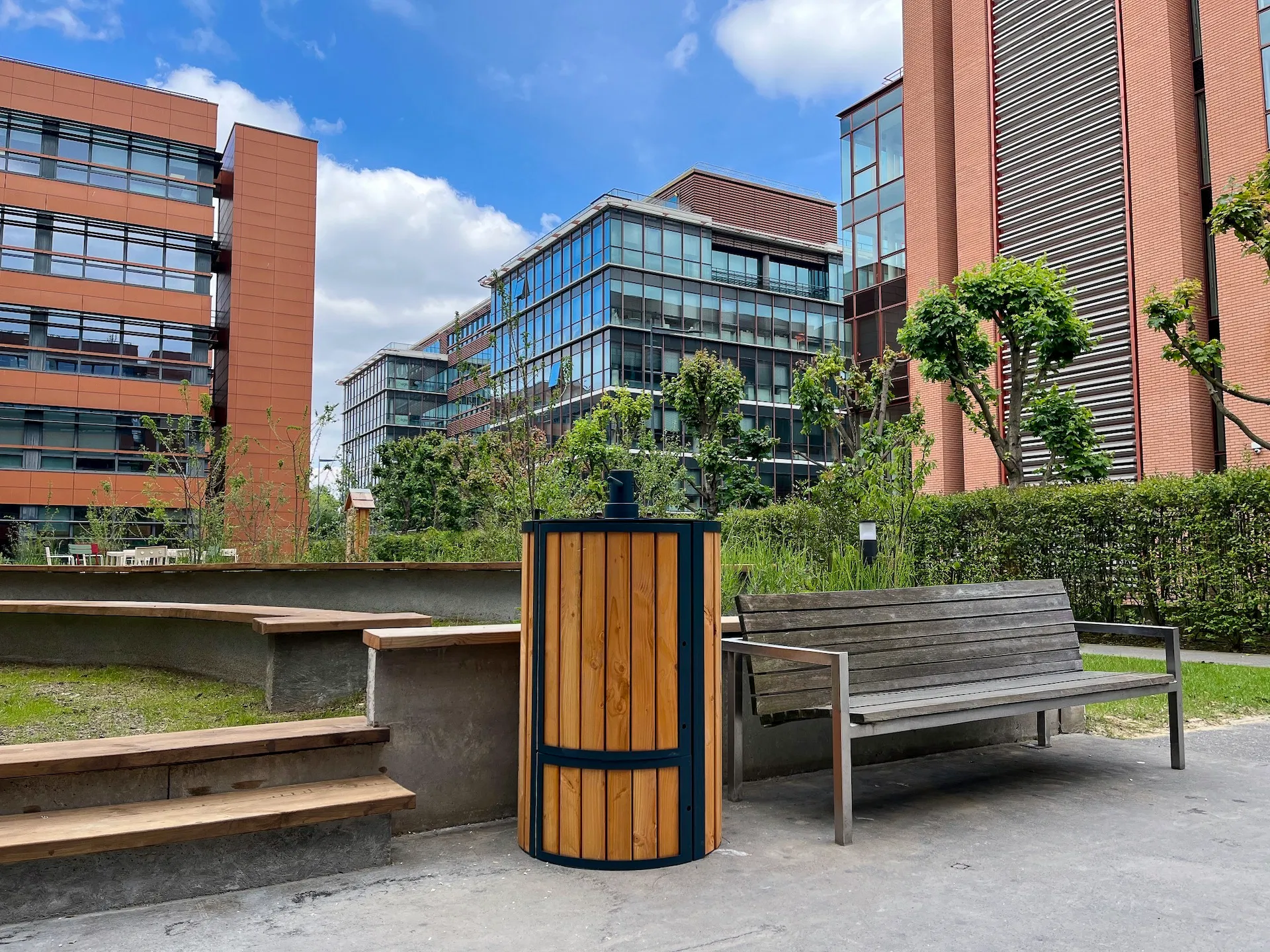
Recycling organic waste has become a priority in order to limit the amount of biodegradable material sent to landfill and reduce environmental impact. Among the various solutions for transforming this waste into a natural soil amendment, the rotating composter stands out for its efficiency and ease of use.
Unlike traditional methods, where the fermentation of materials relies on manual mixing and a prolonged maturation period, this device accelerates the transformation of bio-waste thanks to a rotation system that promotes optimal aeration. This cylinder mounted on an axis makes it easy to stir the waste to homogenize its decomposition and prevent the formation of anaerobic zones responsible for unpleasant odors. Its closed design also limits the intrusion of pests while maintaining ideal conditions for an accelerated biological process.
Why does a rotating composter improve the transformation of organic waste?
One of the major advantages of the rotating composter designed for recycling biodegradable materials is its ability to optimize the decomposition of food and plant waste. The constant aeration generated by the movement of the drum ensures uniform oxygenation of the microorganisms that break down the materials.
This oxygen renewal promotes a rapid rise in temperature, which is essential for activating the bacteria and fungi responsible for breaking down the waste.
This dynamic fermentation method significantly reduces the time required to produce natural fertilizer, making the process faster than that of static devices. While a traditional bin takes several months to generate usable soil, the rotating system produces a usable amendment in just a few weeks.
How does the rotating composter facilitate the daily management of bio-waste?
The rotating recycling system is designed to simplify the management of organic waste while reducing the constraints usually encountered with open bins. Its rotation system eliminates the need for a fork or manual mixing, making waste handling much more convenient and hygienic.
The drum's airtight structure prevents access by rodents and reduces the spread of odors that can attract pests. This secure operation means that this type of bin can be installed in both urban environments and gardens without fear of animals rummaging through the fermenting waste. Its ergonomic design also makes it easy to add new materials without disrupting the decomposition cycle already underway.
Why is the rotating composter particularly suitable for small spaces?
The rotating container designed for processing bio-waste stands out for its ability to be used even in areas where space is limited. Unlike traditional composters, which often require a dedicated space on the ground, this system can be installed on a terrace, balcony, or small garden without taking up too much space.
Its compact size and closed structure allow for optimal control of the process without requiring a large volume of material to be effective. This accessibility makes organic waste recycling possible for urban dwellers who want to adopt a more responsible approach without having a large outdoor space. In addition, its design prevents moisture and odors from stagnating, ensuring clean and pleasant use, even in small spaces.
How does a rotating composter improve the quality of the resulting compost?
A rotating maturation bin offers an undeniable advantage in terms of the quality of the final product. Thanks to the even distribution of microorganisms and a balanced mix of nitrogen- and carbon-rich materials, the decomposition of organic elements occurs more uniformly. Constant oxygenation prevents the formation of areas with excessive moisture, reducing the risk of rotting and the proliferation of harmful bacteria.
The resulting soil is finer, better structured, and richer in nutrients essential for plants. This natural fertilizer is an excellent amendment for vegetable crops, flowers, and shrubs, without the need for chemical additives. It also improves soil water retention and provides nutrients essential for proper plant development.
Why is the rotating composter an eco-friendly and sustainable solution?
The adoption of a rotating system for recycling organic waste is part of an approach to reduce household waste and optimize the management of natural resources. By recovering food scraps and green waste, it significantly reduces the amount of material sent to landfill or incinerated, thereby helping to lower greenhouse gas emissions associated with household waste treatment. This method of recycling promotes a virtuous cycle in which bio-waste is transformed into natural fertilizer, reducing dependence on industrial fertilizers and limiting the environmental impact of conventional agriculture.
Why choose a rotating composter rather than a static bin?
Opting for a rotating fermentation system offers several advantages over traditional solutions. The speed of the process, improved hygiene, and ease of use make this device an ideal choice for those who want to recycle organic waste without the constraints of a traditional bin. The ability to control moisture levels, prevent pest infestation, and obtain a consistent soil mix make it a particularly effective tool. What's more, this system is accessible to beginners, who can benefit from an effective method without needing advanced knowledge of composting.
The rotating composter is a modern and practical alternative for transforming organic waste into high-quality soil amendment. Its automated mixing system, rapid transformation, and adaptability to small spaces make it an ideal solution for those who want to recycle their food waste while limiting their impact on the environment. Its effectiveness is based on constant aeration and an optimal balance of biodegradable materials, ensuring efficient recycling and the production of nutrient-rich compost. This device is therefore an excellent way to integrate a sustainable and eco-responsible approach into the daily management of household waste.